Saturday, April 20, 2013
TK20 is not yet up, I don't think....
My computer has developed another problem (touch pad isn't working), which I will try to remedy on Monday...I will do my best to get the TK20 up ASAP. See you Wednesday, in any case.

Thursday, March 21, 2013
Link for Assessment Reading and Alert!!!
I can't get the url, since it's a PDF file, so google "Naep 2008 Arts Assessment" and you will see the document come up in one of the choices as a PDF. Read only the visual arts sections...pages 33-35, page 37, pages 55-60 and 93-104. It should be quick reading and highly instructive. I will have hard copies for you next time we see each other.
Also, I remembered there is no class on April 3, either!!! So I won't see you all until April 10. Work on your lesson plans and units.....
Also, I remembered there is no class on April 3, either!!! So I won't see you all until April 10. Work on your lesson plans and units.....
Transfer Plate Prints Lesson Plan
Transfer Prints—Grades 3 to Adult
This printmaking process is suitable for many ages from elementary to adult. Obviously, if working with younger students, you will have to control the set up and clean up differently than with older students.
Aims:
• To explore the transfer process
• To look at examples of work done in this process by artists such as Paul Klee
• To create individual works that express personal meaning or are a response to a given theme such as consumerism, family, night, etc.
Materials/Tools: Plexiglas plate, water soluble black ink, soft brayer, white paper, magazine illustrations, sketches, picture library pictures, old phone book or newspaper for clean printing
Vocabulary: print, backwards print, brayer, monoprint/monotype
Procedure: After showing students examples of transfer prints and discussing how this is a backwards process, demonstrate how to make them. Put out a line of ink on the plate and work it to make a smooth inked surface. Do not put out too much ink or you’ll get a black, blobby print. (Be prepared to have to make a few of these before you get the hang of them.) You may want to blot with a phone book page first.
Method One: Free draw—Lay paper down on inked plate and use a pencil to draw image on back of paper. Be careful not to lay the side of your hand on the paper, unless you want those dark areas to appear.
Method Two: Wipe—After rolling on the layer of ink, wipe areas off, using a soft rag, paper towels, Q-tips, scrapers, etc. Lay the paper down and rub to print.
Method Three—After inking the plate, lay down your paper and put a photo or image on top. Trace the image, being careful not to move the image. You will get a very interesting line drawing of your image.
Reink the plate (lightly), and make more.
Reflection/Follow-up: Share the work. Perhaps you can make a class quilt with one work by each student being put together in rows.
Variations: You can have students tear unsuccessful prints and create collages. Try printing on cloth. Try printing on other prints or combining processes. Try using color.
Draft of TK20 Assignment
UNIT THEME
Suitability & Relevance of Theme
Rating:
To receive a 3: Theme is engaging and lends itself to authentic high school art instruction.
To receive a 2: Theme lends itself to high school art instruction.
To receive a 1: Theme is not relevant to high school art instruction
Sequential Art Unit
Rating:
To receive a 3: Lessons build on previous knowledge
To receive a 2: One or two lessons build on previous knowledge
To receive a 1: Lessons are random
Organization/Proofreading
Rating:
To receive a 3: Organized and proofread
To receive a 2: Organized
To receive a 1: Proofreading and organization lacking
Reflects Knowledge from Reading and Class Discussions
Rating:
To receive a 3: Reflects knowledge from reading/discussions
To receive a 2: Some reference to reading/discussions
To receive a 1: Does not refer to reading/discussions
LESSON PLANS
Originality
Rating:
To receive a 3: All lessons are creative and original in their design
To receive a 2: One or two lessons are creative
To receive a 1: Lessons are not creative; some are from internet or other sources
Different Media
Rating:
To receive a 3: Explores different media and processes in depth
To receive a 2: Explores different media and processes
To receive a 1: Superficial exploration of media
Format
Rating:
To receive a 3: Follows lesson plan format
To receive a 2: Partially follows lesson plan format
To receive a 1: Key aspects of lesson omitted
Developmental Appropriateness
Rating:
To receive a 3: Concepts of materials and activities developmentally appropriate for adolescents
To receive a 2: Somewhat allied to developmental level of adolescents
To receive a 1: Not developmentally appropriate for adolescents
Artistic Objectives
Rating:
To receive a 3: Lessons further fundamental artistic objectives, while stimulating creative individual responses
To receive a 2: Lessons further fundamental artistic objectives
To receive a 1: Lessons are product-oriented and artistic objectives unclear
Motivation
Rating:
To receive a 3: Motivation is stimulating and clear
To receive a 2: Relationship between motivation and objectives not entirely clear
To receive a 1: Motivation is absent or not well-addressed
Visuals
Rating:
To receive a 3: The use of visual material is an essential part of the lessons
To receive a 2: Some visual material used in some lessons
To receive a 1: Visual material absent or scant
Questions
Rating:
To receive a 3: Several questions are presented in order of increased difficulty
To receive a 2: A few questions are presented in some order
To receive a 1: One or two questions are presented arbitrarily
Closure
Rating:
To receive a 3: Closure is stimulating and clear and related to objectives
To receive a 2: Closure is not entirely clear or relevant to objectives
To receive a 1: Closure is not present
NYS Standards and Common Core (where applicable)
Rating:
To receive a 3: NYS Standards and Common Core (where applicable) are listed with performance indicators
To receive a 2: NYS Standards and Common Core (where applicable) are listed, but performance indicators are not present
To receive a 1: NYS Standards and Common Core (where applicable) are not present
Assessment
Rating:
To receive a 3: Assessments are authentic and specific to lessons. Two or more rubrics are included.
To receive a 2: Assessments are authentic. One rubric is included.
To receive a 1: Assessments are generic.
Multicultural Lessons
Rating:
To receive a 3: One lesson includes a multicultural component and stimulates individual responses
To receive a 2: One lesson includes a multicultural component but is is insufficiently addressed
To receive a 1: the lesson does not include a multicultural component
Integration of Another Subject Lesson
Rating:
To receive a 3: One lesson integrates another subject in a mutually-meaningful way
To receive a 2: The lesson is not designed to address both subjects well
To receive a 1: The lesson does not integrate with another subject
Current Trends Lesson
Rating:
To receive a 3: One lesson effectively address an art-world trend of the last ten years
To receive a 2: The lesson does not use a recent art trend as an essential part of the lesson
To receive a 1: There is no lesson that addresses a recent art trend
Art History, Art Criticism and Aesthetics
Rating:
To receive a 3: One or more lessons include art history, art criticism and/or aesthetics
To receive a 2: At least one lesson includes art history, art criticism and/or aesthetics
To receive a 1: No lesson addresses art history, art criticism or aesthetics
Needs of Gifted Students
Rating:
To receive a 3: Lessons address how to differentiate instruction for gifted students
To receive a 2: Lesson do not sufficiently detail how to differentiate instruction for gifted students
To receive a 1: Lessons do not address the needs of gifted students
Students with Special Needs
Rating:
To receive a 3: Lessons consider how to address needs of students with special needs
To receive a 2: Lessons do not sufficiently detail how to differentiate instruction for students with special needs
To receive a 1: Lessons do not address students with special needs
PRESENTATION OF UNIT TO CLASS
Preparation and Organization of Materials
Rating:
To receive a 3: Material is well-organized and materials support lesson objectives
To receive a 2: Material is somewhat organized
To receive a 1: Material is not organized
Engagement of Audience, Voice, Grammar and Delivery
Rating:
To receive a 3: Presentation is delivered with authority; grammar is impeccable; eye contact is excellent; audience is actively
engaged
To receive a 2: Presentation is delivered a bit tentatively; and/or grammar is not perfect; and/or eye contact is rare; and/or
audience is not engaged
To receive a 1: Presentation is not delivered forcefully; little or no eye contact; audience is not engaged
Hand-Outs and Other Materials
Rating:
To receive a 3: Hand-outs and materials are well-prepared visually-pleasing
To receive a 2: Hand-outs and materials are sufficiently-prepared
To receive a 1: Hand-outs and materials are either absent or poorly-prepared
Suitability & Relevance of Theme
Rating:
To receive a 3: Theme is engaging and lends itself to authentic high school art instruction.
To receive a 2: Theme lends itself to high school art instruction.
To receive a 1: Theme is not relevant to high school art instruction
Sequential Art Unit
Rating:
To receive a 3: Lessons build on previous knowledge
To receive a 2: One or two lessons build on previous knowledge
To receive a 1: Lessons are random
Organization/Proofreading
Rating:
To receive a 3: Organized and proofread
To receive a 2: Organized
To receive a 1: Proofreading and organization lacking
Reflects Knowledge from Reading and Class Discussions
Rating:
To receive a 3: Reflects knowledge from reading/discussions
To receive a 2: Some reference to reading/discussions
To receive a 1: Does not refer to reading/discussions
LESSON PLANS
Originality
Rating:
To receive a 3: All lessons are creative and original in their design
To receive a 2: One or two lessons are creative
To receive a 1: Lessons are not creative; some are from internet or other sources
Different Media
Rating:
To receive a 3: Explores different media and processes in depth
To receive a 2: Explores different media and processes
To receive a 1: Superficial exploration of media
Format
Rating:
To receive a 3: Follows lesson plan format
To receive a 2: Partially follows lesson plan format
To receive a 1: Key aspects of lesson omitted
Developmental Appropriateness
Rating:
To receive a 3: Concepts of materials and activities developmentally appropriate for adolescents
To receive a 2: Somewhat allied to developmental level of adolescents
To receive a 1: Not developmentally appropriate for adolescents
Artistic Objectives
Rating:
To receive a 3: Lessons further fundamental artistic objectives, while stimulating creative individual responses
To receive a 2: Lessons further fundamental artistic objectives
To receive a 1: Lessons are product-oriented and artistic objectives unclear
Motivation
Rating:
To receive a 3: Motivation is stimulating and clear
To receive a 2: Relationship between motivation and objectives not entirely clear
To receive a 1: Motivation is absent or not well-addressed
Visuals
Rating:
To receive a 3: The use of visual material is an essential part of the lessons
To receive a 2: Some visual material used in some lessons
To receive a 1: Visual material absent or scant
Questions
Rating:
To receive a 3: Several questions are presented in order of increased difficulty
To receive a 2: A few questions are presented in some order
To receive a 1: One or two questions are presented arbitrarily
Closure
Rating:
To receive a 3: Closure is stimulating and clear and related to objectives
To receive a 2: Closure is not entirely clear or relevant to objectives
To receive a 1: Closure is not present
NYS Standards and Common Core (where applicable)
Rating:
To receive a 3: NYS Standards and Common Core (where applicable) are listed with performance indicators
To receive a 2: NYS Standards and Common Core (where applicable) are listed, but performance indicators are not present
To receive a 1: NYS Standards and Common Core (where applicable) are not present
Assessment
Rating:
To receive a 3: Assessments are authentic and specific to lessons. Two or more rubrics are included.
To receive a 2: Assessments are authentic. One rubric is included.
To receive a 1: Assessments are generic.
Multicultural Lessons
Rating:
To receive a 3: One lesson includes a multicultural component and stimulates individual responses
To receive a 2: One lesson includes a multicultural component but is is insufficiently addressed
To receive a 1: the lesson does not include a multicultural component
Integration of Another Subject Lesson
Rating:
To receive a 3: One lesson integrates another subject in a mutually-meaningful way
To receive a 2: The lesson is not designed to address both subjects well
To receive a 1: The lesson does not integrate with another subject
Current Trends Lesson
Rating:
To receive a 3: One lesson effectively address an art-world trend of the last ten years
To receive a 2: The lesson does not use a recent art trend as an essential part of the lesson
To receive a 1: There is no lesson that addresses a recent art trend
Art History, Art Criticism and Aesthetics
Rating:
To receive a 3: One or more lessons include art history, art criticism and/or aesthetics
To receive a 2: At least one lesson includes art history, art criticism and/or aesthetics
To receive a 1: No lesson addresses art history, art criticism or aesthetics
Needs of Gifted Students
Rating:
To receive a 3: Lessons address how to differentiate instruction for gifted students
To receive a 2: Lesson do not sufficiently detail how to differentiate instruction for gifted students
To receive a 1: Lessons do not address the needs of gifted students
Students with Special Needs
Rating:
To receive a 3: Lessons consider how to address needs of students with special needs
To receive a 2: Lessons do not sufficiently detail how to differentiate instruction for students with special needs
To receive a 1: Lessons do not address students with special needs
PRESENTATION OF UNIT TO CLASS
Preparation and Organization of Materials
Rating:
To receive a 3: Material is well-organized and materials support lesson objectives
To receive a 2: Material is somewhat organized
To receive a 1: Material is not organized
Engagement of Audience, Voice, Grammar and Delivery
Rating:
To receive a 3: Presentation is delivered with authority; grammar is impeccable; eye contact is excellent; audience is actively
engaged
To receive a 2: Presentation is delivered a bit tentatively; and/or grammar is not perfect; and/or eye contact is rare; and/or
audience is not engaged
To receive a 1: Presentation is not delivered forcefully; little or no eye contact; audience is not engaged
Hand-Outs and Other Materials
Rating:
To receive a 3: Hand-outs and materials are well-prepared visually-pleasing
To receive a 2: Hand-outs and materials are sufficiently-prepared
To receive a 1: Hand-outs and materials are either absent or poorly-prepared
Sunday, February 24, 2013
Syllabus
-->
HOFSTRA UNIVERSITY
Apr. 24: Stand Alone Lessons Vs. Integrating Academic Subjects—Finding a Balance
May 1: Unit Presentations
___Your theme should provide a framework or structure to enhance relevance and meaning to adolescents. The theme should go beyond media to embrace themes discussed in the course. For example, you could explore ideas related to identity, place or community. Media could be the same or vary. Present your concept and description to me by Mar. 7 (one paragraph).
Disabilities: If you have any documented disability-related
concerns that may have an impact upon your performance in this course, please
meet with me within the first two weeks of the current semester, so that we can
work out the appropriate accommodations. Accommodations are provided on
an individualized, as-needed basis after the needs, circumstances and documentation
have been evaluated by the appropriate office on campus.
For more information on services provided by Hofstra, and for submission of documentation of your disability, please contact:
• Dr. Karin Spencer in 101 Memorial Hall at 516-463-6770 (for physical and/orpsychological disabilities) or
• Linda DeMotta in 202 Roosevelt Hall at 516-463-5840 (for learning disabilities and/orADHD)
All disability-related information will be kept confidential.
HOFSTRA UNIVERSITY
School of Education and Allied and Human Services
Department of Curriculum and Teaching
Course: CT 298B: Instructional Patterns for Art in Secondary Schools; and SED
114
Sem. Hours: 3
Instructor: Julia Healy
Telephone:
Cell: 646.285.7976; Home: 212.358.1640; Studio: 845.856.5083 E-Mail: Jhealy@Hofstra.edu
Class
Blog: http://hofstrasecondaryarted.blogspot.com
Course Description
Students will study the developmental, socio-cultural, perceptual and cognitive changes that occur during adolescence with a view to how these transformations impact on artistic-aesthetic development. The course will integrate the exploration of these theoretical strands with weekly participation in hands-on art projects and processes that are appropriate for middle and high school students. Lesson and unit planning, classroom management and diverse assessment practices will be examined. Students will explore ways to foster creative thinking as well as implement art history and aesthetics in the curriculum.
Course Description
Students will study the developmental, socio-cultural, perceptual and cognitive changes that occur during adolescence with a view to how these transformations impact on artistic-aesthetic development. The course will integrate the exploration of these theoretical strands with weekly participation in hands-on art projects and processes that are appropriate for middle and high school students. Lesson and unit planning, classroom management and diverse assessment practices will be examined. Students will explore ways to foster creative thinking as well as implement art history and aesthetics in the curriculum.
Students in CT298B will be given expanded assignments and
projects to reflect their graduate student status.
Required Text:
There is no required textbook. Readings will be distributed and assigned throughout the semester.
Course Rationale
The unifying theme of this course is the idea that a rigorous, multi-faceted program in the arts is ideally suited to foster and express the burgeoning sense of identity that begins during adolescence. Art education is conceived here as a discipline that embraces artistic production, art history and aesthetics. The art room is envisioned as a creative and dynamic studio environment that highlights the unique contributions of each individual while imparting diverse cultural traditions in the arts.
Course Outcomes
• This course will enable students to develop in-depth art lessons and units for a program in the visual arts, grades 7-12.
• Students will be able to foster visual literacy, enabling adolescents to decode meaning and value in diverse media in their own culture as well as the culture of others. They will demonstrate this through their artistic production and classroom discussion.
• Students will have the option to complete an interview study of adolescents as they look at art in order to understand how this age group makes meaning of the artwork of professional artists. Students will develop their own perceptions of the implications of their findings for teaching in a research paper. (optional, extra credit)
• Students will design qualitative art lessons that demonstrate an understanding of adolescents’ growth to a degree that addresses their development and concomitant changes in visual and spatial abilities and interests.
• Students will demonstrate an ability to introduce students to art history and aesthetics by designing multicultural museum activities.
• Students will demonstrate an ability to successfully teach art through actual presentations in the classroom.
• Students will demonstrate an understanding of current issues in the field of art education by an ability to lead and participate in group discussions on these topics.
• Students will develop the habits of mind of a reflective practitioner as demonstrated in their journals, kept to examine their observations in schools and make connections between field and university experiences.
Jan. 30: Introduction
Review of course and program requirements.
Required Text:
There is no required textbook. Readings will be distributed and assigned throughout the semester.
Course Rationale
The unifying theme of this course is the idea that a rigorous, multi-faceted program in the arts is ideally suited to foster and express the burgeoning sense of identity that begins during adolescence. Art education is conceived here as a discipline that embraces artistic production, art history and aesthetics. The art room is envisioned as a creative and dynamic studio environment that highlights the unique contributions of each individual while imparting diverse cultural traditions in the arts.
Course Outcomes
• This course will enable students to develop in-depth art lessons and units for a program in the visual arts, grades 7-12.
• Students will be able to foster visual literacy, enabling adolescents to decode meaning and value in diverse media in their own culture as well as the culture of others. They will demonstrate this through their artistic production and classroom discussion.
• Students will have the option to complete an interview study of adolescents as they look at art in order to understand how this age group makes meaning of the artwork of professional artists. Students will develop their own perceptions of the implications of their findings for teaching in a research paper. (optional, extra credit)
• Students will design qualitative art lessons that demonstrate an understanding of adolescents’ growth to a degree that addresses their development and concomitant changes in visual and spatial abilities and interests.
• Students will demonstrate an ability to introduce students to art history and aesthetics by designing multicultural museum activities.
• Students will demonstrate an ability to successfully teach art through actual presentations in the classroom.
• Students will demonstrate an understanding of current issues in the field of art education by an ability to lead and participate in group discussions on these topics.
• Students will develop the habits of mind of a reflective practitioner as demonstrated in their journals, kept to examine their observations in schools and make connections between field and university experiences.
Jan. 30: Introduction
Review of course and program requirements.
Discussion of:
·
Emotional, intellectual and physical transitions of
early adolescence viewed in today’s cultural context.
·
Art as the search for meaning and the social
implications of art.
·
General things we will be covering this semester:
Teaching both future artists and non-artists to bring
out creativity
Harry Wong and The Structured Classroom
Setting the Tone
Do-Nows/Routines
Making a disparate group a unit within a classroom setting
Materials
Artist first/Teaching supports art, art supports teaching
Visual Culture and Digital Applications
Anime/cartoons/Bob Ross
Beyond art seasons, art elements and dead artists
How to get ideas
Demos: yea or nay?
Lesson Plans & Units
Standards & Common Core for the Arts
Safety
Differentiating Instruction
Accommodations
Legalities
Setting Up Your Room
Display
Assessment
Critiques
Harry Wong and The Structured Classroom
Setting the Tone
Do-Nows/Routines
Making a disparate group a unit within a classroom setting
Materials
Artist first/Teaching supports art, art supports teaching
Visual Culture and Digital Applications
Anime/cartoons/Bob Ross
Beyond art seasons, art elements and dead artists
How to get ideas
Demos: yea or nay?
Lesson Plans & Units
Standards & Common Core for the Arts
Safety
Differentiating Instruction
Accommodations
Legalities
Setting Up Your Room
Display
Assessment
Critiques
Art Form: Drawing/Group Project (Exquisite Corpse)
Homework: Read Engaging
the Adolescent Mind, pages 1-3. Read Art Teaching, Chapter 3, pages
167-179.
Feb. 6: Approaches to
Art Instruction
Discussion on Reading: Engaging
the Adolescent Mind, pp. 1-3. What is an Elegant Visual Problem? (Ken
Vieth)
Art 21 DVD
Nyack High School’s Approach to Teaching
Lesson Plan and Unit Introduction
Themes
Curriculum
Art Form:
Drawing
Homework: Read Art
Teaching, Middle School Art, pages 167-179 and The First
days of School (Harry Wong), pages 3-15.
Feb. 13: Taking
Charge of Your Classroom, Setting Up Your Room for Success and Forming Routines
Student Presentation (#1) on Art Teaching Reading
Discussion of The
First Days of School, (Harry Wong)
Do-Nows and Routines
Learning by Osmosis—Setting Up Your Room Accordingly and
Thoughtfully
Teaching Studio in Art to art-disinterested students
Art Form: Pop-Ups
Homework: Read Art for
Life, Chapter 2
Feb. 20: Middle
School and Authentic Instrucion
Discussion of Reading, led by graduate students
Materials and Tools: A Crash Course: Ordering, Safety
Art Form: Collage
Homework: Read handouts from out-of-print Design Synectics and Art Synectics by Nicolas Roarke
(Davis Publishing)
(Portrait
Photos Taken of Students for Next Week)
Feb. 27: Visual
Culture, Lesson Plans, Standards and Common Core, APPR, SLO and more
Discussion of Reading by Professor
Introduction to National Standards and the new Common Core
Professional Dispositions
Art Form: Photo Collage
Homework: Read Art
for Life, Chapter 4, Individual Expression and Creativity, pages 64-78.
Mar. 6: Class Cancelled due to NAEA Convention. We will have class on May 8 instead.
Mar. 13: Involving the Community, Outdoor Learning
Student Presentation #3 on Art for Life Reading
Mar. 6: Class Cancelled due to NAEA Convention. We will have class on May 8 instead.
Mar. 13: Involving the Community, Outdoor Learning
Student Presentation #3 on Art for Life Reading
Discussion of the relationship of community and art programs
Introduction of Step
Outside by Peter London
Art Form: Printmaking, Frottage
Reading: Daniel Pink and Art
for Life, Chapter 5, Aesthetics, pages 80-96.
Mar. 20: Creativity, Developing Imagination and Thinking Skills
Mar. 20: Creativity, Developing Imagination and Thinking Skills
UNIT PLAN
PARAGRAPH DUE.
Student Presentation #4 on Art for Life Reading
You Tube/Vimeo Viewing and Discussion of Daniel Pink
Art Form: Printmaking, Transfer Prints
Homework: Look over assessment instruments. Read article on
assessment models.
Mar. 27: School Closed
April 3: Conversion Day--No Wednesday Classes!!!!
April 10: Assessment Models, Rubrics, Self-Reflection & Critiques
April 3: Conversion Day--No Wednesday Classes!!!!
April 10: Assessment Models, Rubrics, Self-Reflection & Critiques
Rubrics
Grading
Portfolio Assessment
Reflection/Self-Reflection
Critiques and various models for secondary students
Art Form: Group Projects, Installations, Performance Art
Homework: Read articles on social issues and Art for Life handout.
Apr. 17: Multicultural Lessons, Diversity, Gender Issue, Character Education and Accommodations
Apr. 17: Multicultural Lessons, Diversity, Gender Issue, Character Education and Accommodations
Presentation by Graduate Student (#4)
Discussion of reading
Discussion of reading
Empathy
PBIS
Teaching from Love
Art Form: Painting and Mixed Media
Apr. 24: Stand Alone Lessons Vs. Integrating Academic Subjects—Finding a Balance
UNIT PLANS DUE
Discussion of reading
Discussion of reading
Presentation of lessons
Process versus Product
Quality integrated lessons
Embedding academics in “Art for Art’s Sake” Lessons
MOOCs--the future???
MOOCs--the future???
Art Form: Painting and Mixed Media
Homework: Work on Units. Be sure to create at least one
sample project for presentation. Graduate
Students Only: Write a cover letter, resume and Teaching Philosophy for
presentation next week
Homework (ALL): Work on lesson plans and units
May 1: Unit Presentations
Discussion of cover letters, resumes and philosophies
Presentation of Units
Art Form: Sculpture
Homework: Create an original piece of art that summarizes
your Field Experience. It could be a handmade book, a journal, a poster, a
video, a blog, etc.
May 8: Loose Ends, Further Inquiry and What Comes Next
May 8: Loose Ends, Further Inquiry and What Comes Next
Presentation and discussion of Field Experiences
Presentation and discussion of cover letters, resumes and
teaching philosophiesClosure, Evaluation of Professor and Class
Art Forms: Sculpture and Food
SED 114 and CT298B Course Assignments and Basis for Assessment
Professor Julia Healy
Participant Observation Program in Schools (15%) Due May 8
Students will participate and observe in a secondary school, 20 hours during semester.
The following is required:
___ Attendance log signed by cooperating teacher
___ Creative rendering that exemplifies your experiences observing in the classroom
In your art piece make connections between:
___ theories and ideas discussed in class
___ readings (text and other handouts)
___ Include images of student work (actual, copies or photographs) to share with class. Note the grade of the examples, the course they were from and lesson objectives.
___ In a presentation (5-7 minutes) include an analysis of the aesthetic objective(s), motivations, questions posed, and the criteria or guidelines of assessment (rubrics). Select any examples of open-ended assignments, with no patterns or designs given to share with the class.
Writing and Reading Assignments (10%)—15% for undergraduates
Students will be responsible for leading group discussions of reading assignments
___ Lead a group discussion (or activity) that covers key issues presented in the reading. Initiate dialogue with fellow students, do not read your notes of the article.
___ Be prepared weekly to respond to a question related to the reading and/or handout given. These quizzes will count as one-third of the above grade.
SED 114 and CT298B Course Assignments and Basis for Assessment
Professor Julia Healy
Participant Observation Program in Schools (15%) Due May 8
Students will participate and observe in a secondary school, 20 hours during semester.
The following is required:
___ Attendance log signed by cooperating teacher
___ Creative rendering that exemplifies your experiences observing in the classroom
In your art piece make connections between:
___ theories and ideas discussed in class
___ readings (text and other handouts)
___ Include images of student work (actual, copies or photographs) to share with class. Note the grade of the examples, the course they were from and lesson objectives.
___ In a presentation (5-7 minutes) include an analysis of the aesthetic objective(s), motivations, questions posed, and the criteria or guidelines of assessment (rubrics). Select any examples of open-ended assignments, with no patterns or designs given to share with the class.
Writing and Reading Assignments (10%)—15% for undergraduates
Students will be responsible for leading group discussions of reading assignments
___ Lead a group discussion (or activity) that covers key issues presented in the reading. Initiate dialogue with fellow students, do not read your notes of the article.
___ Be prepared weekly to respond to a question related to the reading and/or handout given. These quizzes will count as one-third of the above grade.
___ Graduate students will present on
April 24 their cover letter, resume and teaching philosophy piece for 5% of
their final grade.
Unique Lesson Plan and Demonstration (10% of grade) Due April 17
Students will each present an original lesson plan to the class, providing copies of lesson plans, with visuals, for each student. The lesson will be one from your thematic unit (see below).
Be sure to address:
___ where this lesson fits into a unit
___ lesson description and rationale (one paragraph including how lesson is relevant to adolescent interest, development and/ or broad curriculum, artistic or cultural issues)
___ clear aesthetic objectives and their relationship to the NYS arts standards
___ motivation and closure
___ materials, including a technique or demonstration exemplar, if needed
___ visual aids, including art prints large enough for class viewing
___ promotion of creativity and individual response
___ aesthetics and art history
___ presentation: (voice, tone), interactive engagement with students through questioning or other techniques.
Thematic Unit Plan (25% of grade)--Due April 24
Students will create an original unit plan that will contain three to five lessons and submit them to me via email (for our blog) and hard copy.
This is the assignment that will be used on your TK20 site. Draft of TK20 Rubrics has been given to you separately.
Unique Lesson Plan and Demonstration (10% of grade) Due April 17
Students will each present an original lesson plan to the class, providing copies of lesson plans, with visuals, for each student. The lesson will be one from your thematic unit (see below).
Be sure to address:
___ where this lesson fits into a unit
___ lesson description and rationale (one paragraph including how lesson is relevant to adolescent interest, development and/ or broad curriculum, artistic or cultural issues)
___ clear aesthetic objectives and their relationship to the NYS arts standards
___ motivation and closure
___ materials, including a technique or demonstration exemplar, if needed
___ visual aids, including art prints large enough for class viewing
___ promotion of creativity and individual response
___ aesthetics and art history
___ presentation: (voice, tone), interactive engagement with students through questioning or other techniques.
Thematic Unit Plan (25% of grade)--Due April 24
Students will create an original unit plan that will contain three to five lessons and submit them to me via email (for our blog) and hard copy.
This is the assignment that will be used on your TK20 site. Draft of TK20 Rubrics has been given to you separately.
___Your theme should provide a framework or structure to enhance relevance and meaning to adolescents. The theme should go beyond media to embrace themes discussed in the course. For example, you could explore ideas related to identity, place or community. Media could be the same or vary. Present your concept and description to me by Mar. 7 (one paragraph).
___ Every lesson requires visuals, which include a visual of
the process being taught, a section of the finished project, or the finished
product and art history prints, when appropriate. Other motivation is also
welcome.
___ Base
at least one lesson on a work of
art created within the past ten years or a work that reflects current
trends in the art world. The artist does not have to be famous, but you need to
provide a color reproduction (refer to catalogue or the Internet).
___ Include an image of what inspired your lesson, if applicable.
___ Include at least one lesson with a multicultural and/or gender sensitive perspective.
___ Include a lesson that includes art criticism and/or aesthetics.
___ Make sure all sections on the lesson plan format distributed are addressed
___ Lessons must be developmentally appropriate and challenging. For example, note if the unit is for an introductory 9th grade studio course or a more advanced course.
___ Address motivation, pivotal questions and closure in your lessons
___ Be sure to have your lessons further a clear, fundamental artistic objective, while stimulating creative and individual responses.
___ Provide an assessment rubric or other specific approach. Relate clearly to your objective(s). Describe guidelines or criteria for assessment. Each assessment should be different, reflecting the artistic objectives of the individual lesson. Generic assessments are not acceptable.
___ Common Core (if applicable) and/or the New York State Art Standards that are being addressed should be noted in each lesson plan. Be specific.
Art Projects (25%)
Due throughout semester
Professional Dispositions (10%)
Classroom Participation
A dynamic class depends largely on you. You will receive an “A” for your professional disposition piece of your grade if you come to class having completed the appropriate reading assignments, are prepared for and complete art activities and contribute to classroom discussions as an active and informed participant. You bring varied and rich artistic backgrounds and perceptions to class: I welcome you to share them.
Attendance
Due to the hands-on nature of classes, attendance is critical. Students should provide a medical excuse for missed classes. If you must miss a class, you are responsible for finding out what you missed and what art supplies are needed for he next class. If a student misses two classes, he/she will lose a letter grade for each subsequent class missed. Students are expected to be in class on time.
Originality
All lesson plans must be original. Do not “borrow” work from the Internet, other students, teachers or other sources. Such work will not be accepted; no revisions accepted for copied work. Art prints or quotes taken from books or the Internet must be cited.
___ Include an image of what inspired your lesson, if applicable.
___ Include at least one lesson with a multicultural and/or gender sensitive perspective.
___ Include a lesson that includes art criticism and/or aesthetics.
___ Make sure all sections on the lesson plan format distributed are addressed
___ Lessons must be developmentally appropriate and challenging. For example, note if the unit is for an introductory 9th grade studio course or a more advanced course.
___ Address motivation, pivotal questions and closure in your lessons
___ Be sure to have your lessons further a clear, fundamental artistic objective, while stimulating creative and individual responses.
___ Provide an assessment rubric or other specific approach. Relate clearly to your objective(s). Describe guidelines or criteria for assessment. Each assessment should be different, reflecting the artistic objectives of the individual lesson. Generic assessments are not acceptable.
___ Common Core (if applicable) and/or the New York State Art Standards that are being addressed should be noted in each lesson plan. Be specific.
Art Projects (25%)
Due throughout semester
Professional Dispositions (10%)
Classroom Participation
A dynamic class depends largely on you. You will receive an “A” for your professional disposition piece of your grade if you come to class having completed the appropriate reading assignments, are prepared for and complete art activities and contribute to classroom discussions as an active and informed participant. You bring varied and rich artistic backgrounds and perceptions to class: I welcome you to share them.
Attendance
Due to the hands-on nature of classes, attendance is critical. Students should provide a medical excuse for missed classes. If you must miss a class, you are responsible for finding out what you missed and what art supplies are needed for he next class. If a student misses two classes, he/she will lose a letter grade for each subsequent class missed. Students are expected to be in class on time.
Originality
All lesson plans must be original. Do not “borrow” work from the Internet, other students, teachers or other sources. Such work will not be accepted; no revisions accepted for copied work. Art prints or quotes taken from books or the Internet must be cited.
For more information on services provided by Hofstra, and for submission of documentation of your disability, please contact:
• Dr. Karin Spencer in 101 Memorial Hall at 516-463-6770 (for physical and/orpsychological disabilities) or
• Linda DeMotta in 202 Roosevelt Hall at 516-463-5840 (for learning disabilities and/orADHD)
All disability-related information will be kept confidential.
Thursday, February 21, 2013
Ernst-Inspired Collage Lesson Plan


Max Ernst-Inspired Collage
Grades 4 and Up
Time Frame: 2 art periods
This project is inspired by collages by the Surrealist Max Ernst.
Aims:
• To explore the collage process
• To use old illustrations to create impossible scenes
• To create individual works that express absurdity, nightmares, the occult, etc.
Materials: Black paper or backgrounds from collected sources, copied, old illustrations from 19th Century books and ads copied, scissors, glue sticks, old phone books or magazines for gluing
Vocabulary: Surrealism, collage, overlapping, edge
Procedure: Give students pages of images to choose from. Students will make either their own backgrounds or start with one from your collection of images. (Ask me for a packet of originals to copy, if you are interested.) Show good cutting technique, by making clean edged cuts. Have your students move the paper, not their wrists! Show how to plan by working from the back forward. Demonstrate good gluing technique by putting your shape upside down on a page of the phone book and gluing around the edges of the shape. (The middle takes care of itself!) Smack down for a tight, clean bond and throw the page of the phone book away. Repeat for each shape. This way, no glue gets on the table and you get clean gluing.
Reflection/Follow-up: Share the work. Perhaps you can make a class quilt with one work by each student being put together in rows.
Wednesday, February 20, 2013
Pop-Ups Lesson Plan
271--Pop-Up Books (Can be Applied to All Ages, Depending on Length and Adult Help)
Materials:
Several sheets Oak tag or Bristol board to be folded in half & used for figures
2 pieces of heavy chipboard, a little bigger than your book
Drawing paper to make covers with
Pencil, eraser
Practice paper
Scissors
Elmer’s Glue
Sharpie Markers
Watercolors
Watercolor Brush
Water Can
Colored Pencils
Note: Do not use pastels or craypas, as they will smear.
Procedure:
Begin by planning your book. Decide how many pages you want it to have and how many moveable characters you will need. Most likely, your book will be horizontal in format, so plan accordingly.
Your story can be worked out on scratch paper. Students may use word processing and cut out their printed copy and glue it to the bottom of their books after the illustrations are done.
The top half of the book will be background for an outside scene or the wall for an inside one. The bottom half will be for the story and is the ground or floor. Your pop-ups will come out of folded area.
Once you have your story, fold your oak tag in half and draw your scene lightly in pencil. Outline in sharpie and watercolor in. Colored pencils can be used later, if you wish. Mixed media can add a rich look to your art work.
On separate oak tag, make your characters. When dry, cut out.
Book Assembly: Pop-ups are based on the idea that everything will fold flat along scored lines when the page is closed.
First draw an “11” on the outside of the fold. Make sure your pop-up will not extend outside of your book by visually measuring first. The “11” can’t be too thin or too thick, too long or too short. As you do this, you will get the hang of what size to make your “11”. Fold back and forth to score and put back into position. Open the fold and push out your “11” which now becomes a stair step. Your pop-up will get glued onto the front of the stair step—not the top!
For a slider, make the “11” and then cut a long strip twice the length of the slider you want. Slide it through your “11” and then glue it to itself at one end. Then glue the character or thing on the outside of the strip.
You also may use z-strips—small strips folded like zees that pop out things like clouds, birds, etc.
Advanced pop-up techniques include angled folds and pop-ups attached to pop-ups. There are many books to refer to if you want to get more sophisticated.
Glue your pages together, being mindful not to slop glue too near the open holes formed by the “11’s”.
Cover: The cover uses the “envelope” technique I showed you for your accordion books. You need to create a spine for your book which will vary depending on how many pages you have. Lay your cardboards our on your cover paper with a space between them that will become the spine. It may be as close as a quarter of an inch or as far apart as three-quarters of an inch. Trace the cardboard and remove. The cardboards, remember, are a bit bigger than the book pages (Maybe ¼” or so on each side). Draw envelope flaps from the exact corners. Angle in, not out! The spine area is just made straight. The lines are only drawn on an angle from the corners. Put the cardboard back on the tracing and fold the flaps tightly over the cardboard and tape down. Do this all eight times.
Draw your cover, sharpie and watercolor. Put your title on the cover and your name, too. It should have a compelling illustration to make us want to open it.
The last step is gluing the end book pages to the cover. Glue around the edges, and your book is finished.
Reflection:
Share the books as usual. Books may be displayed in the library or classroom.
Follow-up or Variations:
Students can make pop-up cards using this technique. Simple one page pop-up pictures can be done by kindergartners. If you want to display on a bulletin board, tie a piece of yarn or string on the oak tag to hold the fold open.
Thursday, January 31, 2013
Exquisite Corpse Lesson
Exquisite Corpse Group Project Lesson Plan--Ages 8 to Adult
Aims:
To create individual oil pastels pieces which will fit together
To learn about the surrealist party game of the same name
To create a group dynamic, where each student is a part of a larger, greater, whole
Materials & Tools: Pre-marked construction paper*, oil pastels or some other medium like pastels or construction crayons, scissors
*To make the marks you need to know how many students will be involved. There are ways to add more pieces but it is hard to take them away without messing the finished product up.
Lay out the pieces in a row--you can do a few at a time--from left to right. Draw short lines across the two papers, enough to be seen. I vary where I put them to make the end result more interesting-looking. Write the number and draw an arrow on the back side under the topmost line (see illustration). This is super-important so you know the proper placement. If your students follow the directions, when they cut out their pieces, the numbers on the back will stay intact for easy taping together.
Motivation: If you want to show examples of actual exquisite corpses, be mindful that a few of them are rather explicit, so you’ll have to look at what you choose ahead of time. The idea is that you draw something and that it will connect perfectly with the drawing in front of yours and the one behind. It forms a cohesive whole only after the pieces are assembled.
You may also want to have picture library pictures of animal patterns and other images that will stimulate interesting results.
Vocabulary: exquisite, corpse, blending, pattern, continuous
Procedure: After showing and/or talking about what an exquisite corpse was (and defining the nonsense title), explain that each student is going to make a separate piece that will fit together to make a larger project. Explain that one person will do the head, another will do the tail and everybody else will do an inside piece. You can ask for volunteers for the end pieces or randomly hand them out with the other pieces, depending on ow you want to approach it. The students doing the end pieces will only have two (not four) lines on their papers.
The rules are simple: the top two lines on the left and right side of the paper must eventually connect to each other and the bottom ones must also connect. What the line does in between them is what makes the shapes fun and unique. They can wobble, go up and down, have scales, wings, extra heads and feet, etc., as long as they eventually connect. The sides between the up and down lines must stay straight (and uncut) so they fit tightly to the next piece. The arrow on the back will help students work right side up.
Demonstrate good oil pastel use--layering and blending are encouraged. If the construction paper is blue, I tell them cover all the blue. You want to have rich patterns and details. Have them press down and use one color over another. I show them how to peel their oil pastels and that even “dirty” ones have rich, bright colors underneath. “Use them until they disappear,” I tell them.
When colored, they can cut them out. You may want to work with a few students at a time on this step to get it done right. If they miscut, you just tape it together on the back--no worries. Variation: leave the pieces intact and just tape the rectangles together.
If someone needs to start over, you need to make an exact replica of the original paper or it will not fit. If a new student comes in, find the middle of the project (say sheets 13 & 14), ask those students to lend you their papers and make a 13B sheet that fits between them, putting the number and arrow on the back as described above. Begin the project with exactly the number of students you will have that day. I often did almost enough sheets ahead of time and then made the last few as needed, based on attendance.
Tape together from the back and laminate, if feasible. I put pieces of tape horizontally at the top and bottom of the seams in between pieces for extra strength.
Reflection: Share the work, of course! The display of this project will cause create great excitement. I once did this with the entire sixth grade at a large school and wound up with a piece that practically covered the entire school foyer and hallways.
Follow-up: You can make vertical, very tall exquisite corpses based on rainforest trees (with flora and fauna) or just do art elements and keep them abstract. Animals as presented here are only one possibility of many. You can also vary the materials and work in watercolor, oil pastel resist, markers, etc.
Sunday, May 6, 2012
Paper Mache Masks and More, Lesson Plan
Paper Mache Masks and Beyond--Grade school (with help) and Up
This is a wonderful technique that can be used in so many ways. I use art paste (methyl cellulose) which doesn’t get moldy or stinky like flour and water does.
Aims: To make an original, wearable mask
To explore the use of paper mache
Materials & Tools
newspaper (lots of it)
masking tape
scissors
odds and ends to use for the underbody (styrofoam cups, cardboard pieces, egg cartons, foil, etc. etc.
art paste
bowl or bucket for “slime”
For painting: tempera paint (or acrylic)
brushes
Optional: pipe cleaners, feathers, raffia, yarn, tissue paper, fabrics and other decorative items
Procedure: Motivate your students with pictures of masks from the culture you are studying. There are numerous examples from all over Africa, New Guinea and Oceania, Eskimo, Asian Indian, American Indian, etc.
To construct the mask, form a loose bunch of newspapers into the size you want the mask and tape it together. Tape on objects to make the form three dimensional--eyes might be egg carton pieces or coffee cup bottoms. Make sure it is very three-dimensional. Add ears, horns, a beard, etc. with cardboard or styrofoam. Use scrunched-up foil to form shapes, too. It doesn’t have to look good at this stage; it just has to hold together for the covering process. Look at the mask in profile and make sure you have enough things sticking out to make it sculptural.
To paper mache, cover your work area. Mix several tablespoons of art paste into water. A little will go along way. Use you hand to mix and get rid of any small lumps. It will thicken in a few minutes and you may then have to add more water.
Rip lots of newspaper into strips, along the grain. Make them mostly medium-sized--about 1-1/2” by 4 or 5 inches. You’ll need tons of them.
When you are ready to paper mache, dip each piece in the art paste mixture, scissor off with your fingers so it doesn’t drip too much and smack down, going over the piece a few times to make sure it conforms to the outline of your shapes. You’ll need about 3 or 4 layers for a strong mask. Go every which way, not just in one direction. Patting down is key for the surface to look good.
When dry, take out the “guts”. Sometimes you’ll need to cut around the back edges with scissors to pull out the form. You can use an exacto knife to cut out eye slits or nostrils, which you only need if you are going to wear it.
If you are painting you mask a light color, putting on a coat of white first will help block out the newspaper print. References of painted masks will help your students paint their masks more beautifully. Details are important to add at this point.
You may use hot glue to add decorative items like yarn, tissue paper or feathers.
Variations can include covering balloons or other objects to make bowls or constructing free-standing figures or animals.
Accordion Book Lesson Plan
Accordion Books (Grade school (with help)- adult]
This is a book arts technique from Japan, that works well for all ages of elementary students. It could be a stand-alone art project or be have a cross-curricular aspect to it.
Aims:
•To create an original book
•To learn about cultural connections (Japan)
•To integrate academic curriculum into your art lessons (optional)
Materials & Tools:
Scratch paper for planning
2 pieces of chipboard or heavy cardboard a bit bigger than the folded page size of your book
white paper cut, folded (and glued by overlapping if necessary) to make even numbered folded stack with correct number of pages (see below). Rice paper is another, more expensive possibility.
Paper for covering cardboard covers--4” larger on top and bottom (for an 8 x 10 cover, you’d want 12 x 14” cover paper)
pencil, eraser, scissors, tape, white glue
Sharpie markers, watercolors, watercolor brush, water can
Colored pencils
Ribbon or string for tying
Procedure:
Decide the theme for your lesson. It could be a book without words, a book about one’s family, a creative story, etc. Have your students work out their stories on scratch paper (4-6 folds is a good number). You need to have a long, folded sheet have 2 more sections than your story, so for a 4-panel story you need six sections and for a 6-panel story you need eight. Keep the numbers even so the book glues together well.
Fold the panels to make equal sections, gluing on extra paper if necessary by overlapping slightly (The seam will disappear once the panel is colored, so don’t worry about it). It might be easier if you give your class the same specifications--say 6 panels for everybody, because then the construction will be the same for everyone.
Draw, sharpie and color the insides as desired.
Next, make your covers. The cardboard should be a little bit bigger than our folded pages for the best possible look. Cover the cardboard by cutting your paper 4” each way (2” per side). Draw “envelope” flaps on all four sides, directly from the corners. You are making angled lines going inward on each side--not outward!!!! Cut out the odd-looking corner shapes which will resemble a triangle with a drooping bottom. Fold over each flap and tape down. This side will be the inside of your front and back covers. Tape ribbon on the left side for the cover and the right side for the back. Glue the end “extra” pages over the inside covers, tie your book closed and you have an accordion book.
Reflection
Share your books, as always.
Variations:
Use other materials such as collage. Books can open up and down, too.
Tuesday, May 1, 2012
Repousse Demo On Wednesday: What You Need to Know
Adam will be doing a sculpture project with us on Wednesday. Please read below and come prepared with a small 6 x 6 inch drawing to repousse on copper.
FROM ADAM: "I got my demo pieces ready for Wednesday's repose demonstration. I wanted to email the class to ask them to bring in a drawing on 6"x6" piece of paper of anything they'd like. The only drawing guidelines are that they use as few lines as possible (they'll see why later) and big shapes. They drawings can be representation or abstract, but everyone should just understand that tiny details and too many lines won't come out nicely on the copper sheet, which is why it's best to stick with large shapes and few lines. I borrowed pieces of felt for everyone to work on and I'm cutting the copper out tonight (6"x6!). If you or anyone else has needle-nose pliers, please bring them since I only have two pair. Worst case scenario we could share, since it's simple enough shapes with just squares (things get complicated if the copper is rounded). So aside from my plea for needle-nose pliers, everyone just needs the 6"x6" drawing for Wednesday to transfer to their piece of copper that I will provide.
p.s. - I just realized after I finished writing this whole thing that round tipped objects like soft pencils, the backs of thin paintbrushes, boxwood ceramic tools, anything soft and wooden, are all good tools to use. Metals scratch the copper ...and the noise also irritates me. Also optional: steel wool, which can be used to create a kind of brushed metal effect, but again, it's not necessary."
Thursday, April 19, 2012
Latest, Greatest Syllabus
HOFSTRA UNIVERSITY
School of Education and Allied and Human Services
Department of Curriculum and Teaching
Syllabus 2.0
Course: CT 298B: Instructional Patterns for Art in Secondary Schools; SED 114
Sem. Hours: 3
Instructor: Professor Julia Healy
Class Blog: hofstrasecondaryarted.blogspot.com
Course Description
Students will study the developmental, socio-cultural, perceptual and cognitive changes that occur during adolescence with a view to how these transformations impact on artistic-aesthetic development. The course will integrate the exploration of these theoretical strands with weekly participation in hands-on art projects and processes that are appropriate for middle and high school students. Lesson and unit planning, classroom management and diverse assessment practices will be examined. Students will explore ways to foster creative thinking as well as implement art history and aesthetics in the curriculum.
Required Text:
Anderson, T. Milbrandt, M. (2002). Art for Life. NY: McGraw Hill
Note: There is a website www.mhhe.com/artforlife1 for this book. It has a glossary among other things, and may prove helpful to you.
Supplemental articles and book chapters will be distributed throughout the semester.
Course Rationale
The unifying theme of this course is the idea that a rigorous, multi-faceted program in the arts is ideally suited to foster and express the burgeoning sense of identity that begins during adolescence. Art education is conceived here as a discipline that embraces artistic production, art history and aesthetics. The art room is envisioned as a creative and dynamic studio environment that highlights the unique contributions of each individual while imparting diverse cultural traditions in the arts.
Course Outcomes
• This course will enable students to develop in-depth art lessons and units for a program in the visual arts, grades 7-12.
• Students will be able to foster visual literacy, enabling adolescents to decode meaning and value in diverse media in their own culture as well as the culture of others. They will demonstrate this through their artistic production and classroom discussion.
• Students will have the option to complete an interview study of adolescents as they look at art in order to understand how this age group makes meaning of the artwork of professional artists. Student will develop their own perceptions of the implications of their findings for teaching in a research paper. (optional, extra credit)
• Students will design qualitative art lessons that demonstrate an understanding of adolescents’ growth to a degree that addresses their development and concomitant changes in visual and spatial abilities and interests.
• Students will demonstrate an ability to introduce students to art history and aesthetics by designing multicultural museum activities.
• Students will demonstrate an ability to successfully teach art through actual presentations in the classroom.
• Students will demonstrate an understanding of current issues in the field of art education by an ability to lead and participate in group discussions on these topics.
• Students will develop the habits of mind of a reflective practitioner as demonstrated in their journals, kept to examine their observations in schools and make connections between field and university experiences.
Feb. 1: Introduction
Review of course and program requirements. Emotional, intellectual and physical transitions of early adolescence viewed in today’s cultural context. Art as the search for meaning and the social implications of art.
Some general things we will be covering this semester:
Art in the greater world of middle school and high school education
Teaching both future artists and non-artists to bring out creativity
Harry Wong
The Structured Classroom
Setting the Tone
Do-Nows/Routines
Making a disparate group a unit within a classroom setting
Materials
Artist first; teacher second
Visual Culture and Digital Applications
Anime/cartoons/Bob Ross
Beyond art seasons, art elements and dead artists
How to get ideas
Life as a Lesson Plan
Demos: yea or nay?
Lesson Plans & Units
Standards & Common Core for the Arts
Safety
Differentiating Instruction
Accommodations
Legalities
Setting Up Your Room
Display
Assessment
Critiques
Art Form: Drawing/Group Projects
Feb. 8: Student Presentation on Reading by Libby
Reading to have finished: Art for Life, Part One Introduction & Chapter One
Art Form: Drawing
The importance of teaching observational drawing
Feb. 15: Student Presentation on Reading by Morgan
Reading to have finished: Art for Life, Chapter Two
Art Form: Collage
Using art history in a positive (not mindless) way
Feb. 23: Student Presentation on Reading by Lucy
Reading to have finished: Art for Life, Part Two Introduction and Chapter Three
Art Form: Painting
Feb. 29: Guest Professor, The Nuts and Bolts of the Real World of High School
Art Form: Photo Collage
M ar. 7: Class Cancelled, Professor Sick
Mar. 14: Reading to have finished: Art for Life, Chapters Four & Five
Art Form: Printmaking, Frottage
Mar. 21: UNIT PLAN PARAGRAPH DUE.
Reading to have finished: Art for Life, Chapters Six and Seven
Student Presentations on Reading by Adrienne (4 & 5) and Adam (6 & 7)
Art Form: Printmaking, Part Two (Transfer Prints)
Mar. 28: Student Presentation on Reading by Cassandra
Reading to have finished: Art for Life, Chapters Eight & Nine
Art Form: Installation and Art Beyond the Gallery Setting
Apr. 4 & Apr. 11—NO CLASSES
Apr. 18: LESSON PLANS DUE
Student Presentations on Reading by Alex & Lesson Plans (to be assigned)
Reading to have finished: Art for Life, Part 3 & Chapter Ten
Art Form: Mixed Media and Book Arts
Apr. 25: Student Presentation on Reading by Elise & Lesson Plans (to be assigned)
Reading to have finished: Art for Life, Chapters Eleven & Twelve
Art Form: Mixed Media and Book Arts, Part Two
May 2: Student Presentation on Reading by Janelle
Reading to have finished: Art for Life, Chapters Thirteen & Fourteen
Art Form: Sculpture
Thematic Unit Plan Due
May 9: Presentations on Reading by Jenna and Observational Experiences (to be assigned)
Reading to have finished, Art for Life, Chapters Fifteen & Sixteen
Art Form: Sculpture
May 16: Student Presentations on Observational Experiences, Closure, Evaluation of Professor and Class
Art Form: Food
Course Assignments and Basis for Assessment
Professor Julia Healy
Participant Observation Program in Schools (15%)
Students will participate and observe in a secondary school, 20 hours during semester.
The following is required:
___ Attendance log signed by cooperating teacher
___ Narrative of your experiences observing in the classroom
In your narrative make connections between:
___ theories and ideas discussed in class
___ readings (text and other handouts)
___ Include images of student work (actual, copies or photographs) to share with class in May. Note the grade of the examples, the course they were from and lesson objectives.
___ In your brief presentation (5-7 minutes) include an analysis of the aesthetic objective(s), motivations, questions posed, and the criteria or guidelines of assessment (rubrics). Select any examples of open-ended assignments, with no patterns or designs given to share with the class.
Writing and Reading Assignments (15%)
Students will be responsible for leading group discussions of reading assignments
___ Lead a group discussion (or activity) that covers key issues presented in the reading. Initiate dialogue with fellow students, do not read your notes of the article.
___ Be prepared weekly to respond to a question related to the reading and/or handout given. These quizzes will count as one-third of the above grade.
Unique Lesson Plan and Demonstration (15%)
(Students will present during the weeks of April)
Students will each present an original lesson plan to the class, providing copies of lesson plans, with visuals, for each student. The lesson will be one from your thematic unit (see below).
Be sure to address:
___ where this lesson fits into a unit
___ lesson description and rationale (one paragraph including how lesson is relevant to adolescent interest, development and/ or broad curriculum, artistic or cultural issues)
___ clear aesthetic objectives and their relationship to the NYS arts standards
___ motivation and closure
___ materials, including a technique or demonstration exemplar, of needed
___ visual aids, including art prints large enough for class viewing
___ promotion of creativity and individual response
___ aesthetics and art history
___ presentation: (voice, tone), interactive engagement with students through questioning or other techniques.
Thematic Unit Plan (25%)--Due May 2
Students will create an original unit plan that will contain three to five lessons and submit them to me via email (for our blog) and hard copy.
This is the assignment that will be used on your TK20 site. I will be giving you complete rubrics in the next week or so.
___Your theme should provide a framework or structure to enhance relevance and meaning to adolescents. The theme should go beyond media to embrace themes discussed in the course. For example, you could explore ideas related identity, place or community. Media could be the same or vary. Present your concept and description to me by Mar. 7 (one paragraph).
__ Every lesson requires visuals, which include a visual of the process being taught, a section of the finished project, or the finished product and art history prints, when appropriate. Other motivation is also welcome.
___ Base at least one lesson on a work of art created within the past ten years or a work that reflects current trends in the art world. The artist does not have to be famous, but you need to provide a color reproduction (refer to catalogue or the Internet).
___ Include an image of what inspired your lesson, if applicable.
___ Include at least one lesson with a multicultural and/or gender sensitive perspective.
___ Include a lesson that includes art criticism and/or aesthetics.
___ Make sure all sections on the lesson plan format distributed are addressed
___ Lessons must be developmentally appropriate and challenging. For example, note if the unit is for an introductory 9th grade studio course or a more advanced course.
___ Address motivation, pivotal questions and closure in your lessons.
___ Be sure to have your lessons further a clear, fundamental artistic objective, while stimulating creative and individual responses.
___ Provide an assessment rubric or other specific approach. Relate clearly to your objective(s). Describe guidelines or criteria for assessment. Each assessment should be different, reflecting the artistic objectives of the individual lesson. Generic assessments are not acceptable.
___ Common Core and the New York State Art Standards that are being addressed should be noted in each lesson plan.
Art Projects (20%)
Due throughout semester
Professional Dispositions (10%)
Classroom Participation
A dynamic class depends largely on you. You will receive an “A” for your professional disposition piece of your grade if you come to class having completed the appropriate reading assignments, are prepared for and complete art activities and contribute to classroom discussions as an active and informed participant. You bring varied and rich artistic backgrounds and perceptions to class: I welcome you to share them.
Attendance
Due to the hands-on nature of classes, attendance is critical. Students should provide a medical excuse for missed classes. If you must miss a class, you are responsible for finding out what you missed and what art supplies are needed for he next class. If a student misses two classes, he/she will lose a letter grade for each subsequent class missed. Students are expected to be in class on time.
Originality
All lesson plans must be original. Do not “borrow” work from the Internet, other students, teachers or other sources. Such work will not be accepted; no revisions accepted for copied work. Art prints or quotes taken from books or the Internet must be cited.
School of Education and Allied and Human Services
Department of Curriculum and Teaching
Syllabus 2.0
Course: CT 298B: Instructional Patterns for Art in Secondary Schools; SED 114
Sem. Hours: 3
Instructor: Professor Julia Healy
Class Blog: hofstrasecondaryarted.blogspot.com
Course Description
Students will study the developmental, socio-cultural, perceptual and cognitive changes that occur during adolescence with a view to how these transformations impact on artistic-aesthetic development. The course will integrate the exploration of these theoretical strands with weekly participation in hands-on art projects and processes that are appropriate for middle and high school students. Lesson and unit planning, classroom management and diverse assessment practices will be examined. Students will explore ways to foster creative thinking as well as implement art history and aesthetics in the curriculum.
Required Text:
Anderson, T. Milbrandt, M. (2002). Art for Life. NY: McGraw Hill
Note: There is a website www.mhhe.com/artforlife1 for this book. It has a glossary among other things, and may prove helpful to you.
Supplemental articles and book chapters will be distributed throughout the semester.
Course Rationale
The unifying theme of this course is the idea that a rigorous, multi-faceted program in the arts is ideally suited to foster and express the burgeoning sense of identity that begins during adolescence. Art education is conceived here as a discipline that embraces artistic production, art history and aesthetics. The art room is envisioned as a creative and dynamic studio environment that highlights the unique contributions of each individual while imparting diverse cultural traditions in the arts.
Course Outcomes
• This course will enable students to develop in-depth art lessons and units for a program in the visual arts, grades 7-12.
• Students will be able to foster visual literacy, enabling adolescents to decode meaning and value in diverse media in their own culture as well as the culture of others. They will demonstrate this through their artistic production and classroom discussion.
• Students will have the option to complete an interview study of adolescents as they look at art in order to understand how this age group makes meaning of the artwork of professional artists. Student will develop their own perceptions of the implications of their findings for teaching in a research paper. (optional, extra credit)
• Students will design qualitative art lessons that demonstrate an understanding of adolescents’ growth to a degree that addresses their development and concomitant changes in visual and spatial abilities and interests.
• Students will demonstrate an ability to introduce students to art history and aesthetics by designing multicultural museum activities.
• Students will demonstrate an ability to successfully teach art through actual presentations in the classroom.
• Students will demonstrate an understanding of current issues in the field of art education by an ability to lead and participate in group discussions on these topics.
• Students will develop the habits of mind of a reflective practitioner as demonstrated in their journals, kept to examine their observations in schools and make connections between field and university experiences.
Feb. 1: Introduction
Review of course and program requirements. Emotional, intellectual and physical transitions of early adolescence viewed in today’s cultural context. Art as the search for meaning and the social implications of art.
Some general things we will be covering this semester:
Art in the greater world of middle school and high school education
Teaching both future artists and non-artists to bring out creativity
Harry Wong
The Structured Classroom
Setting the Tone
Do-Nows/Routines
Making a disparate group a unit within a classroom setting
Materials
Artist first; teacher second
Visual Culture and Digital Applications
Anime/cartoons/Bob Ross
Beyond art seasons, art elements and dead artists
How to get ideas
Life as a Lesson Plan
Demos: yea or nay?
Lesson Plans & Units
Standards & Common Core for the Arts
Safety
Differentiating Instruction
Accommodations
Legalities
Setting Up Your Room
Display
Assessment
Critiques
Art Form: Drawing/Group Projects
Feb. 8: Student Presentation on Reading by Libby
Reading to have finished: Art for Life, Part One Introduction & Chapter One
Art Form: Drawing
The importance of teaching observational drawing
Feb. 15: Student Presentation on Reading by Morgan
Reading to have finished: Art for Life, Chapter Two
Art Form: Collage
Using art history in a positive (not mindless) way
Feb. 23: Student Presentation on Reading by Lucy
Reading to have finished: Art for Life, Part Two Introduction and Chapter Three
Art Form: Painting
Feb. 29: Guest Professor, The Nuts and Bolts of the Real World of High School
Art Form: Photo Collage
M ar. 7: Class Cancelled, Professor Sick
Mar. 14: Reading to have finished: Art for Life, Chapters Four & Five
Art Form: Printmaking, Frottage
Mar. 21: UNIT PLAN PARAGRAPH DUE.
Reading to have finished: Art for Life, Chapters Six and Seven
Student Presentations on Reading by Adrienne (4 & 5) and Adam (6 & 7)
Art Form: Printmaking, Part Two (Transfer Prints)
Mar. 28: Student Presentation on Reading by Cassandra
Reading to have finished: Art for Life, Chapters Eight & Nine
Art Form: Installation and Art Beyond the Gallery Setting
Apr. 4 & Apr. 11—NO CLASSES
Apr. 18: LESSON PLANS DUE
Student Presentations on Reading by Alex & Lesson Plans (to be assigned)
Reading to have finished: Art for Life, Part 3 & Chapter Ten
Art Form: Mixed Media and Book Arts
Apr. 25: Student Presentation on Reading by Elise & Lesson Plans (to be assigned)
Reading to have finished: Art for Life, Chapters Eleven & Twelve
Art Form: Mixed Media and Book Arts, Part Two
May 2: Student Presentation on Reading by Janelle
Reading to have finished: Art for Life, Chapters Thirteen & Fourteen
Art Form: Sculpture
Thematic Unit Plan Due
May 9: Presentations on Reading by Jenna and Observational Experiences (to be assigned)
Reading to have finished, Art for Life, Chapters Fifteen & Sixteen
Art Form: Sculpture
May 16: Student Presentations on Observational Experiences, Closure, Evaluation of Professor and Class
Art Form: Food
Course Assignments and Basis for Assessment
Professor Julia Healy
Participant Observation Program in Schools (15%)
Students will participate and observe in a secondary school, 20 hours during semester.
The following is required:
___ Attendance log signed by cooperating teacher
___ Narrative of your experiences observing in the classroom
In your narrative make connections between:
___ theories and ideas discussed in class
___ readings (text and other handouts)
___ Include images of student work (actual, copies or photographs) to share with class in May. Note the grade of the examples, the course they were from and lesson objectives.
___ In your brief presentation (5-7 minutes) include an analysis of the aesthetic objective(s), motivations, questions posed, and the criteria or guidelines of assessment (rubrics). Select any examples of open-ended assignments, with no patterns or designs given to share with the class.
Writing and Reading Assignments (15%)
Students will be responsible for leading group discussions of reading assignments
___ Lead a group discussion (or activity) that covers key issues presented in the reading. Initiate dialogue with fellow students, do not read your notes of the article.
___ Be prepared weekly to respond to a question related to the reading and/or handout given. These quizzes will count as one-third of the above grade.
Unique Lesson Plan and Demonstration (15%)
(Students will present during the weeks of April)
Students will each present an original lesson plan to the class, providing copies of lesson plans, with visuals, for each student. The lesson will be one from your thematic unit (see below).
Be sure to address:
___ where this lesson fits into a unit
___ lesson description and rationale (one paragraph including how lesson is relevant to adolescent interest, development and/ or broad curriculum, artistic or cultural issues)
___ clear aesthetic objectives and their relationship to the NYS arts standards
___ motivation and closure
___ materials, including a technique or demonstration exemplar, of needed
___ visual aids, including art prints large enough for class viewing
___ promotion of creativity and individual response
___ aesthetics and art history
___ presentation: (voice, tone), interactive engagement with students through questioning or other techniques.
Thematic Unit Plan (25%)--Due May 2
Students will create an original unit plan that will contain three to five lessons and submit them to me via email (for our blog) and hard copy.
This is the assignment that will be used on your TK20 site. I will be giving you complete rubrics in the next week or so.
___Your theme should provide a framework or structure to enhance relevance and meaning to adolescents. The theme should go beyond media to embrace themes discussed in the course. For example, you could explore ideas related identity, place or community. Media could be the same or vary. Present your concept and description to me by Mar. 7 (one paragraph).
__ Every lesson requires visuals, which include a visual of the process being taught, a section of the finished project, or the finished product and art history prints, when appropriate. Other motivation is also welcome.
___ Base at least one lesson on a work of art created within the past ten years or a work that reflects current trends in the art world. The artist does not have to be famous, but you need to provide a color reproduction (refer to catalogue or the Internet).
___ Include an image of what inspired your lesson, if applicable.
___ Include at least one lesson with a multicultural and/or gender sensitive perspective.
___ Include a lesson that includes art criticism and/or aesthetics.
___ Make sure all sections on the lesson plan format distributed are addressed
___ Lessons must be developmentally appropriate and challenging. For example, note if the unit is for an introductory 9th grade studio course or a more advanced course.
___ Address motivation, pivotal questions and closure in your lessons.
___ Be sure to have your lessons further a clear, fundamental artistic objective, while stimulating creative and individual responses.
___ Provide an assessment rubric or other specific approach. Relate clearly to your objective(s). Describe guidelines or criteria for assessment. Each assessment should be different, reflecting the artistic objectives of the individual lesson. Generic assessments are not acceptable.
___ Common Core and the New York State Art Standards that are being addressed should be noted in each lesson plan.
Art Projects (20%)
Due throughout semester
Professional Dispositions (10%)
Classroom Participation
A dynamic class depends largely on you. You will receive an “A” for your professional disposition piece of your grade if you come to class having completed the appropriate reading assignments, are prepared for and complete art activities and contribute to classroom discussions as an active and informed participant. You bring varied and rich artistic backgrounds and perceptions to class: I welcome you to share them.
Attendance
Due to the hands-on nature of classes, attendance is critical. Students should provide a medical excuse for missed classes. If you must miss a class, you are responsible for finding out what you missed and what art supplies are needed for he next class. If a student misses two classes, he/she will lose a letter grade for each subsequent class missed. Students are expected to be in class on time.
Originality
All lesson plans must be original. Do not “borrow” work from the Internet, other students, teachers or other sources. Such work will not be accepted; no revisions accepted for copied work. Art prints or quotes taken from books or the Internet must be cited.
Monday, April 2, 2012


Thursday, March 29, 2012


Monday, March 19, 2012
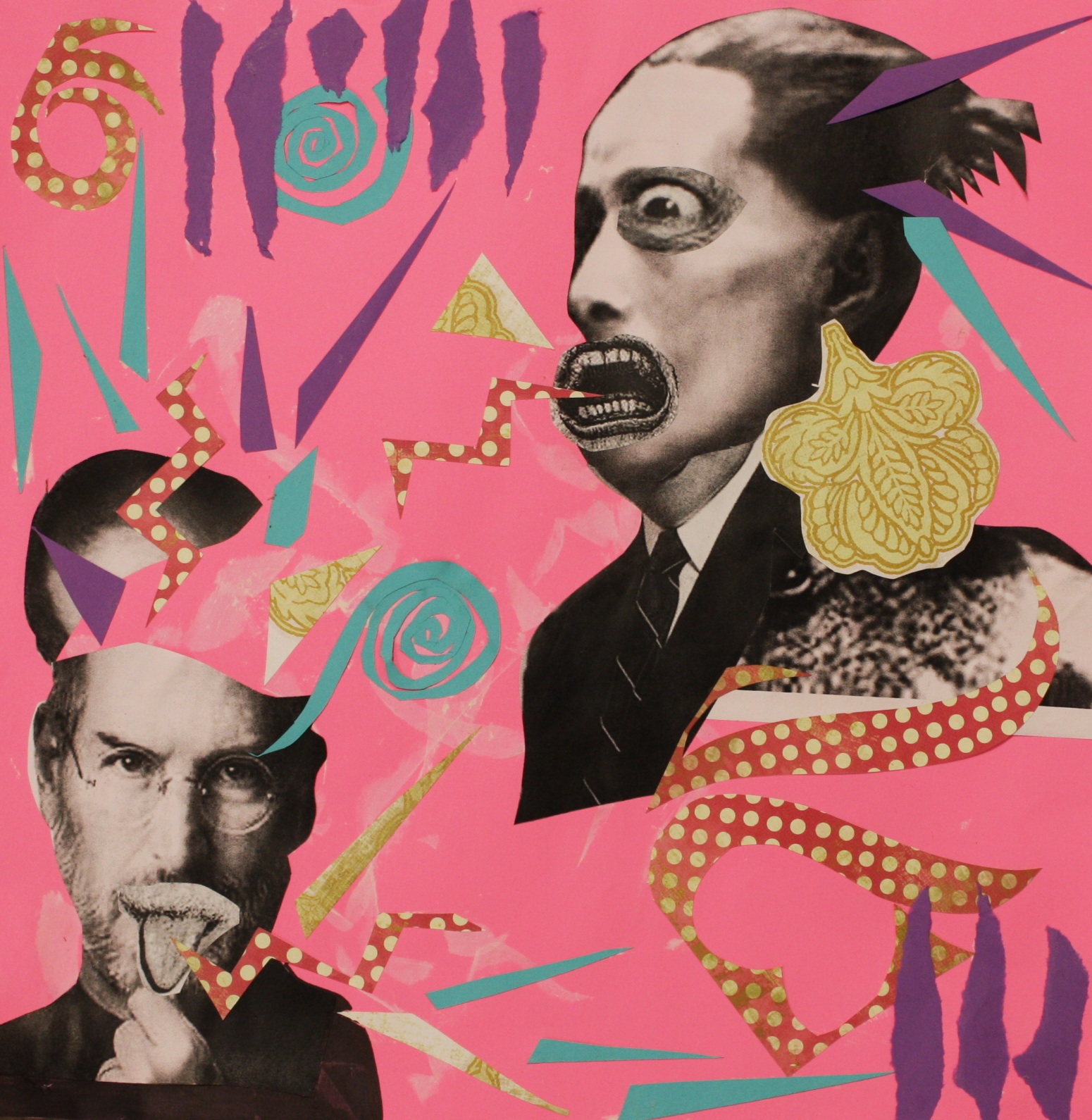


Thursday, March 15, 2012
New, Latest Syllabus
Please see below for the latest version of our syllabus. Please note that your Unit Theme is due next week. Write a paragraph, outlining what you intend to do.
Current Syllabus SED 114 & CT 298B Updated Yet Again!
HOFSTRA UNIVERSITY
School of Education and Allied and Human Services
Department of Curriculum and Teaching
Syllabus 2.0
Course: CT 298B: Instructional Patterns for Art in Secondary Schools; SED 114
Sem. Hours: 3
Instructor: Professor Julia Healy
Class Blog: hofstrasecondaryarted.blogspot.com
Course Description
Students will study the developmental, socio-cultural, perceptual and cognitive changes that occur during adolescence with a view to how these transformations impact on artistic-aesthetic development. The course will integrate the exploration of these theoretical strands with weekly participation in hands-on art projects and processes that are appropriate for middle and high school students. Lesson and unit planning, classroom management and diverse assessment practices will be examined. Students will explore ways to foster creative thinking as well as implement art history and aesthetics in the curriculum.
Required Text:
Anderson, T. Milbrandt, M. (2002). Art for Life. NY: McGraw Hill
Note: There is a website www.mhhe.com/artforlife1 for this book. It has a glossary among other things, and may prove helpful to you.
Supplemental articles and book chapters will be distributed throughout the semester.
Course Rationale
The unifying theme of this course is the idea that a rigorous, multi-faceted program in the arts is ideally suited to foster and express the burgeoning sense of identity that begins during adolescence. Art education is conceived here as a discipline that embraces artistic production, art history and aesthetics. The art room is envisioned as a creative and dynamic studio environment that highlights the unique contributions of each individual while imparting diverse cultural traditions in the arts.
Course Outcomes
• This course will enable students to develop in-depth art lessons and units for a program in the visual arts, grades 7-12.
• Students will be able to foster visual literacy, enabling adolescents to decode meaning and value in diverse media in their own culture as well as the culture of others. They will demonstrate this through their artistic production and classroom discussion.
• Students will have the option to complete an interview study of adolescents as they look at art in order to understand how this age group makes meaning of the artwork of professional artists. Student will develop their own perceptions of the implications of their findings for teaching in a research paper. (optional, extra credit)
• Students will design qualitative art lessons that demonstrate an understanding of adolescents’ growth to a degree that addresses their development and concomitant changes in visual and spatial abilities and interests.
• Students will demonstrate an ability to introduce students to art history and aesthetics by designing multicultural museum activities.
• Students will demonstrate an ability to successfully teach art through actual presentations in the classroom.
• Students will demonstrate an understanding of current issues in the field of art education by an ability to lead and participate in group discussions on these topics.
• Students will develop the habits of mind of a reflective practitioner as demonstrated in their journals, kept to examine their observations in schools and make connections between field and university experiences.
Feb. 1: Introduction
Review of course and program requirements. Emotional, intellectual and physical transitions of early adolescence viewed in today’s cultural context. Art as the search for meaning and the social implications of art.
Some general things we will be covering this semester:
Art in the greater world of middle school and high school education
Teaching both future artists and non-artists to bring out creativity
Harry Wong
The Structured Classroom
Setting the Tone
Do-Nows/Routines
Making a disparate group a unit within a classroom setting
Materials
Artist first; teacher second
Visual Culture and Digital Applications
Anime/cartoons/Bob Ross
Beyond art seasons, art elements and dead artists
How to get ideas
Life as a Lesson Plan
Demos: yea or nay?
Lesson Plans & Units
Standards & Common Core for the Arts
Safety
Differentiating Instruction
Accommodations
Legalities
Setting Up Your Room
Display
Assessment
Critiques
Art Form: Drawing/Group Projects
Feb. 8: Student Presentation on Reading by Libby
Reading to have finished: Art for Life, Part One Introduction & Chapter One
Art Form: Drawing
The importance of teaching observational drawing
Feb. 15: Student Presentation on Reading by Morgan
Reading to have finished: Art for Life, Chapter Two
Art Form: Collage
Using art history in a positive (not mindless) way
Feb. 23: Student Presentation on Reading by Lucy
Reading to have finished: Art for Life, Part Two Introduction and Chapter Three
Art Form: Painting
Feb. 29: Guest Professor
Art Form: Photo Collage
Mar. 7: Class Cancelled
Mar. 14: Reading to have finished: Art for Life, Chapters Four & Five
Art Form: Printmaking, Frottage
Mar. 21: UNIT PLAN PARAGRAPH DUE.
Reading to have finished: Art for Life, Chapters Six and Seven
Student Presentations on Reading by Adrienne (4 & 5) and Adam (6 & 7)
Art Form: Printmaking, Part Two (Transfer Prints)
Mar. 28: Student Presentation on Reading by Cassandra
Reading to have finished: Art for Life, Chapters Eight & Nine
Art Form: Installation and Art Beyond the Gallery Setting
Apr. 4 & Apr. 11—NO CLASSES
Apr. 18: LESSON PLANS DUE
Student Presentations on Reading by Alex & Lesson Plans (to be assigned)
Reading to have finished: Art for Life, Part 3 & Chapter Ten
Art Form: Mixed Media and Book Arts
Apr. 25: Student Presentation on Reading by Elise & Lesson Plans (to be assigned)
Reading to have finished: Art for Life, Chapters Eleven & Twelve
Art Form: Mixed Media and Book Arts, Part Two
May 2: Student Presentation on Reading by Janelle
Reading to have finished: Art for Life, Chapters Thirteen & Fourteen
Art Form: Sculpture
Thematic Unit Plan Due
May 9: Presentations on Reading by Jenna and Observational Experiences (to be assigned)
Reading to have finished, Art for Life, Chapters Fifteen & Sixteen
Art Form: Sculpture
May 16: Student Presentations on Observational Experiences, Closure, Evaluation of Professor and Class
Art Form: Food
Course Assignments and Basis for Assessment
Professor Julia Healy
Participant Observation Program in Schools (15%)
Students will participate and observe in a secondary school, 20 hours during semester.
The following is required:
___ Attendance log signed by cooperating teacher
___ Narrative of your experiences observing in the classroom
In your narrative make connections between:
___ theories and ideas discussed in class
___ readings (text and other handouts)
___ Include images of student work (actual, copies or photographs) to share with class in May. Note the grade of the examples, the course they were from and lesson objectives.
___ In your brief presentation (5-7 minutes) include an analysis of the aesthetic objective(s), motivations, questions posed, and the criteria or guidelines of assessment (rubrics). Select any examples of open-ended assignments, with no patterns or designs given to share with the class.
Writing and Reading Assignments (15%)
Students will be responsible for leading group discussions of reading assignments
___ Lead a group discussion (or activity) that covers key issues presented in the reading. Initiate dialogue with fellow students, do not read your notes of the article.
___ Be prepared weekly to respond to a question related to the reading and/or handout given. These quizzes will count as one-third of the above grade.
Unique Lesson Plan and Demonstration (15%)
(Students will present during the weeks of April)
Students will each present an original lesson plan to the class, providing copies of lesson plans, with visuals, for each student. The lesson will be one from your thematic unit (see below).
Be sure to address:
___ where this lesson fits into a unit
___ lesson description and rationale (one paragraph including how lesson is relevant to adolescent interest, development and/ or broad curriculum, artistic or cultural issues)
___ clear aesthetic objectives and their relationship to the NYS arts standards
___ motivation and closure
___ materials, including a technique or demonstration exemplar, of needed
___ visual aids, including art prints large enough for class viewing
___ promotion of creativity and individual response
___ aesthetics and art history
___ presentation: (voice, tone), interactive engagement with students through questioning or other techniques.
Thematic Unit Plan (25%)--Due May 2
Students will create an original unit plan that will contain three to five lessons and submit them to me via email (for our blog) and hard copy.
This is the assignment that will be used on your TK20 site. I will be giving you complete rubrics in the next week or so.
___Your theme should provide a framework or structure to enhance relevance and meaning to adolescents. The theme should go beyond media to embrace themes discussed in the course. For example, you could explore ideas related identity, place or community. Media could be the same or vary. Present your concept and description to me by Mar. 7 (one paragraph).
__ Every lesson requires visuals, which include a visual of the process being taught, a section of the finished project, or the finished product and art history prints, when appropriate. Other motivation is also welcome.
___ Base at least one lesson on a work of 1) art created within the past ten years or a work that reflects current trends in the art world. The artist does not have to be famous, but you need to provide 3) a color reproduction (refer to catalogue or the Internet).
___ Include an image of what inspired your lesson, if applicable.
___ Include at least one lesson with a multicultural and/or gender sensitive perspective.
___ Include a lesson that includes art criticism and/or aesthetics.
___ Make sure all sections on the lesson plan format distributed are addressed
___ Lessons must be developmentally appropriate and challenging. For example, note if the unit is for an introductory 9th grade studio course or a more advanced course.
___ Address motivation, pivotal questions and closure in your lessons.
___ Be sure to have your lessons further a clear, fundamental artistic objective, while stimulating creative and individual responses.
___ Provide an assessment rubric or other specific approach. Relate clearly to your objective(s). Describe guidelines or criteria for assessment. Each assessment should be different, reflecting the artistic objectives of the individual lesson. Generic assessments are not acceptable.
___ Common Core and the New York State Art Standards that are being addressed should be noted in each lesson plan.
Art Projects (20%)
Due throughout semester
Professional Dispositions (10%)
Classroom Participation
A dynamic class depends largely on you. You will receive an “A” for your professional disposition piece of your grade if you come to class having completed the appropriate reading assignments, are prepared for and complete art activities and contribute to classroom discussions as an active and informed participant. You bring varied and rich artistic backgrounds and perceptions to class: I welcome you to share them.
Attendance
Due to the hands-on nature of classes, attendance is critical. Students should provide a medical excuse for missed classes. If you must miss a class, you are responsible for finding out what you missed and what art supplies are needed for he next class. If a student misses two classes, he/she will lose a letter grade for each subsequent class missed. Students are expected to be in class on time.
Originality
All lesson plans must be original. Do not “borrow” work from the Internet, other students, teachers or other sources. Such work will not be accepted; no revisions accepted for copied work. Art prints or quotes taken from books or the Internet must be cited.
School of Education and Allied and Human Services
Department of Curriculum and Teaching
Syllabus 2.0
Course: CT 298B: Instructional Patterns for Art in Secondary Schools; SED 114
Sem. Hours: 3
Instructor: Professor Julia Healy
Class Blog: hofstrasecondaryarted.blogspot.com
Course Description
Students will study the developmental, socio-cultural, perceptual and cognitive changes that occur during adolescence with a view to how these transformations impact on artistic-aesthetic development. The course will integrate the exploration of these theoretical strands with weekly participation in hands-on art projects and processes that are appropriate for middle and high school students. Lesson and unit planning, classroom management and diverse assessment practices will be examined. Students will explore ways to foster creative thinking as well as implement art history and aesthetics in the curriculum.
Required Text:
Anderson, T. Milbrandt, M. (2002). Art for Life. NY: McGraw Hill
Note: There is a website www.mhhe.com/artforlife1 for this book. It has a glossary among other things, and may prove helpful to you.
Supplemental articles and book chapters will be distributed throughout the semester.
Course Rationale
The unifying theme of this course is the idea that a rigorous, multi-faceted program in the arts is ideally suited to foster and express the burgeoning sense of identity that begins during adolescence. Art education is conceived here as a discipline that embraces artistic production, art history and aesthetics. The art room is envisioned as a creative and dynamic studio environment that highlights the unique contributions of each individual while imparting diverse cultural traditions in the arts.
Course Outcomes
• This course will enable students to develop in-depth art lessons and units for a program in the visual arts, grades 7-12.
• Students will be able to foster visual literacy, enabling adolescents to decode meaning and value in diverse media in their own culture as well as the culture of others. They will demonstrate this through their artistic production and classroom discussion.
• Students will have the option to complete an interview study of adolescents as they look at art in order to understand how this age group makes meaning of the artwork of professional artists. Student will develop their own perceptions of the implications of their findings for teaching in a research paper. (optional, extra credit)
• Students will design qualitative art lessons that demonstrate an understanding of adolescents’ growth to a degree that addresses their development and concomitant changes in visual and spatial abilities and interests.
• Students will demonstrate an ability to introduce students to art history and aesthetics by designing multicultural museum activities.
• Students will demonstrate an ability to successfully teach art through actual presentations in the classroom.
• Students will demonstrate an understanding of current issues in the field of art education by an ability to lead and participate in group discussions on these topics.
• Students will develop the habits of mind of a reflective practitioner as demonstrated in their journals, kept to examine their observations in schools and make connections between field and university experiences.
Feb. 1: Introduction
Review of course and program requirements. Emotional, intellectual and physical transitions of early adolescence viewed in today’s cultural context. Art as the search for meaning and the social implications of art.
Some general things we will be covering this semester:
Art in the greater world of middle school and high school education
Teaching both future artists and non-artists to bring out creativity
Harry Wong
The Structured Classroom
Setting the Tone
Do-Nows/Routines
Making a disparate group a unit within a classroom setting
Materials
Artist first; teacher second
Visual Culture and Digital Applications
Anime/cartoons/Bob Ross
Beyond art seasons, art elements and dead artists
How to get ideas
Life as a Lesson Plan
Demos: yea or nay?
Lesson Plans & Units
Standards & Common Core for the Arts
Safety
Differentiating Instruction
Accommodations
Legalities
Setting Up Your Room
Display
Assessment
Critiques
Art Form: Drawing/Group Projects
Feb. 8: Student Presentation on Reading by Libby
Reading to have finished: Art for Life, Part One Introduction & Chapter One
Art Form: Drawing
The importance of teaching observational drawing
Feb. 15: Student Presentation on Reading by Morgan
Reading to have finished: Art for Life, Chapter Two
Art Form: Collage
Using art history in a positive (not mindless) way
Feb. 23: Student Presentation on Reading by Lucy
Reading to have finished: Art for Life, Part Two Introduction and Chapter Three
Art Form: Painting
Feb. 29: Guest Professor
Art Form: Photo Collage
Mar. 7: Class Cancelled
Mar. 14: Reading to have finished: Art for Life, Chapters Four & Five
Art Form: Printmaking, Frottage
Mar. 21: UNIT PLAN PARAGRAPH DUE.
Reading to have finished: Art for Life, Chapters Six and Seven
Student Presentations on Reading by Adrienne (4 & 5) and Adam (6 & 7)
Art Form: Printmaking, Part Two (Transfer Prints)
Mar. 28: Student Presentation on Reading by Cassandra
Reading to have finished: Art for Life, Chapters Eight & Nine
Art Form: Installation and Art Beyond the Gallery Setting
Apr. 4 & Apr. 11—NO CLASSES
Apr. 18: LESSON PLANS DUE
Student Presentations on Reading by Alex & Lesson Plans (to be assigned)
Reading to have finished: Art for Life, Part 3 & Chapter Ten
Art Form: Mixed Media and Book Arts
Apr. 25: Student Presentation on Reading by Elise & Lesson Plans (to be assigned)
Reading to have finished: Art for Life, Chapters Eleven & Twelve
Art Form: Mixed Media and Book Arts, Part Two
May 2: Student Presentation on Reading by Janelle
Reading to have finished: Art for Life, Chapters Thirteen & Fourteen
Art Form: Sculpture
Thematic Unit Plan Due
May 9: Presentations on Reading by Jenna and Observational Experiences (to be assigned)
Reading to have finished, Art for Life, Chapters Fifteen & Sixteen
Art Form: Sculpture
May 16: Student Presentations on Observational Experiences, Closure, Evaluation of Professor and Class
Art Form: Food
Course Assignments and Basis for Assessment
Professor Julia Healy
Participant Observation Program in Schools (15%)
Students will participate and observe in a secondary school, 20 hours during semester.
The following is required:
___ Attendance log signed by cooperating teacher
___ Narrative of your experiences observing in the classroom
In your narrative make connections between:
___ theories and ideas discussed in class
___ readings (text and other handouts)
___ Include images of student work (actual, copies or photographs) to share with class in May. Note the grade of the examples, the course they were from and lesson objectives.
___ In your brief presentation (5-7 minutes) include an analysis of the aesthetic objective(s), motivations, questions posed, and the criteria or guidelines of assessment (rubrics). Select any examples of open-ended assignments, with no patterns or designs given to share with the class.
Writing and Reading Assignments (15%)
Students will be responsible for leading group discussions of reading assignments
___ Lead a group discussion (or activity) that covers key issues presented in the reading. Initiate dialogue with fellow students, do not read your notes of the article.
___ Be prepared weekly to respond to a question related to the reading and/or handout given. These quizzes will count as one-third of the above grade.
Unique Lesson Plan and Demonstration (15%)
(Students will present during the weeks of April)
Students will each present an original lesson plan to the class, providing copies of lesson plans, with visuals, for each student. The lesson will be one from your thematic unit (see below).
Be sure to address:
___ where this lesson fits into a unit
___ lesson description and rationale (one paragraph including how lesson is relevant to adolescent interest, development and/ or broad curriculum, artistic or cultural issues)
___ clear aesthetic objectives and their relationship to the NYS arts standards
___ motivation and closure
___ materials, including a technique or demonstration exemplar, of needed
___ visual aids, including art prints large enough for class viewing
___ promotion of creativity and individual response
___ aesthetics and art history
___ presentation: (voice, tone), interactive engagement with students through questioning or other techniques.
Thematic Unit Plan (25%)--Due May 2
Students will create an original unit plan that will contain three to five lessons and submit them to me via email (for our blog) and hard copy.
This is the assignment that will be used on your TK20 site. I will be giving you complete rubrics in the next week or so.
___Your theme should provide a framework or structure to enhance relevance and meaning to adolescents. The theme should go beyond media to embrace themes discussed in the course. For example, you could explore ideas related identity, place or community. Media could be the same or vary. Present your concept and description to me by Mar. 7 (one paragraph).
__ Every lesson requires visuals, which include a visual of the process being taught, a section of the finished project, or the finished product and art history prints, when appropriate. Other motivation is also welcome.
___ Base at least one lesson on a work of 1) art created within the past ten years or a work that reflects current trends in the art world. The artist does not have to be famous, but you need to provide 3) a color reproduction (refer to catalogue or the Internet).
___ Include an image of what inspired your lesson, if applicable.
___ Include at least one lesson with a multicultural and/or gender sensitive perspective.
___ Include a lesson that includes art criticism and/or aesthetics.
___ Make sure all sections on the lesson plan format distributed are addressed
___ Lessons must be developmentally appropriate and challenging. For example, note if the unit is for an introductory 9th grade studio course or a more advanced course.
___ Address motivation, pivotal questions and closure in your lessons.
___ Be sure to have your lessons further a clear, fundamental artistic objective, while stimulating creative and individual responses.
___ Provide an assessment rubric or other specific approach. Relate clearly to your objective(s). Describe guidelines or criteria for assessment. Each assessment should be different, reflecting the artistic objectives of the individual lesson. Generic assessments are not acceptable.
___ Common Core and the New York State Art Standards that are being addressed should be noted in each lesson plan.
Art Projects (20%)
Due throughout semester
Professional Dispositions (10%)
Classroom Participation
A dynamic class depends largely on you. You will receive an “A” for your professional disposition piece of your grade if you come to class having completed the appropriate reading assignments, are prepared for and complete art activities and contribute to classroom discussions as an active and informed participant. You bring varied and rich artistic backgrounds and perceptions to class: I welcome you to share them.
Attendance
Due to the hands-on nature of classes, attendance is critical. Students should provide a medical excuse for missed classes. If you must miss a class, you are responsible for finding out what you missed and what art supplies are needed for he next class. If a student misses two classes, he/she will lose a letter grade for each subsequent class missed. Students are expected to be in class on time.
Originality
All lesson plans must be original. Do not “borrow” work from the Internet, other students, teachers or other sources. Such work will not be accepted; no revisions accepted for copied work. Art prints or quotes taken from books or the Internet must be cited.
Subscribe to:
Posts (Atom)